1912: Bread and Roses
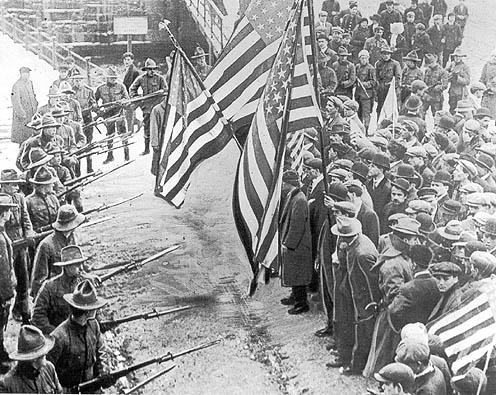
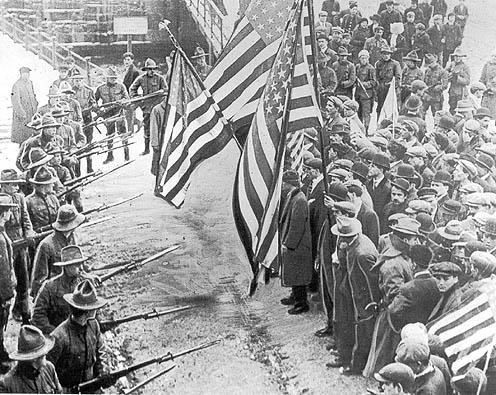
Lawrence during the 1912 textile strike. Photo: public domain, via Wikimedia Commons.
In January 1912, a new Massachusetts law cut the work week for women and children to 54 hours. Mill owners in Lawrence cut pay to match. The difference was small on paper, but for families already living on bread, beans and molasses, it meant going hungry.
Short pay, all out
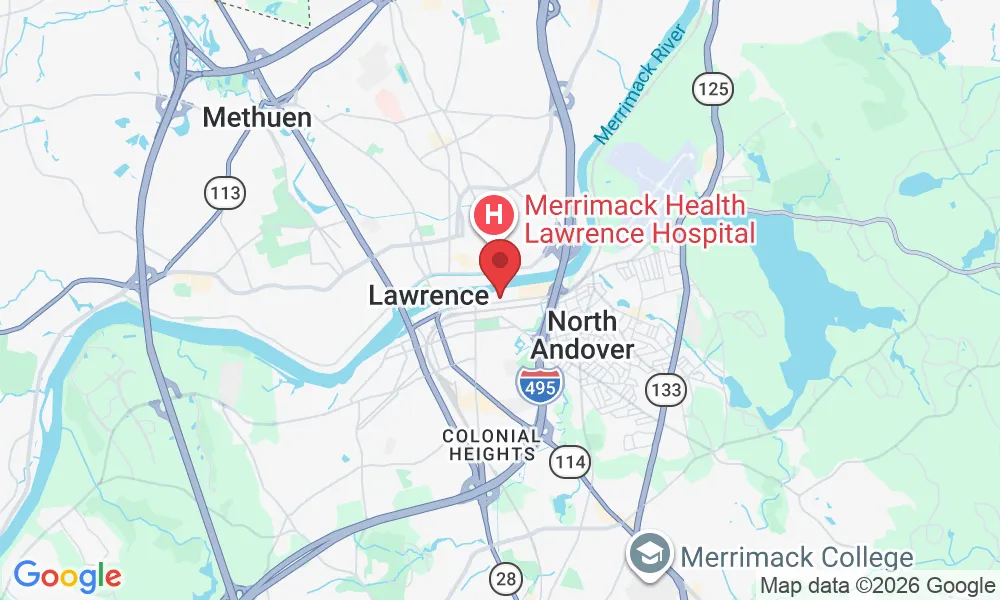
On January 11, women at the Everett Mill opened their pay envelopes, saw the shortfall and walked out. The next day, workers at the American Woolen Company's mills found the same cut. The company ran four mills in Lawrence, including the Wood Mill on this site, and it was the city's biggest employer. Within days, tens of thousands of workers from dozens of countries had left their looms.
What followed was one of the most famous strikes in American history. The state militia was called in and martial law was declared. Strikers marched through the cold, and families sent their children to stay with supporters in other cities so they could be fed. Congress held hearings, and the stories told there drew national attention to conditions in the mills.
Bread, and roses too
On March 12, 1912, the American Woolen Company settled. Workers won a pay raise of about 15 percent, double pay for overtime and a promise that strikers wouldn't be punished. Other mills soon followed.
The strike came to be called "Bread and Roses," a phrase from a 1911 poem by James Oppenheim. It captured what the workers were asking for: not just enough to live on, but dignity too. The name stuck, and Lawrence still honors that history today. Lawrence Heritage State Park has an exhibit on the strike.
Riverwalk stands on ground where that history happened. The people who worked these floors in 1912 helped shape the workplace protections many of us take for granted now.