Carmela Teoli: The 14-Year-Old Who Changed Washington
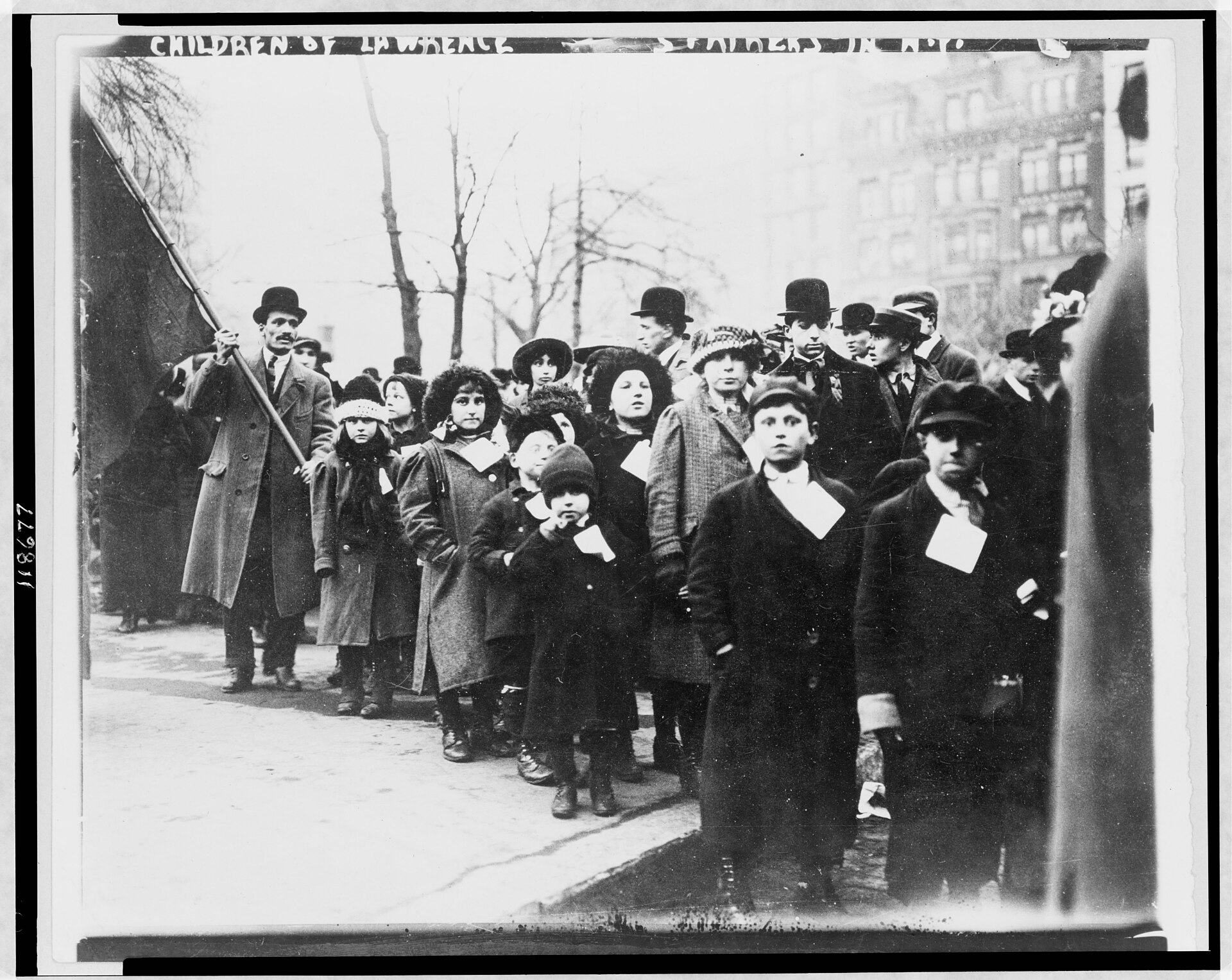
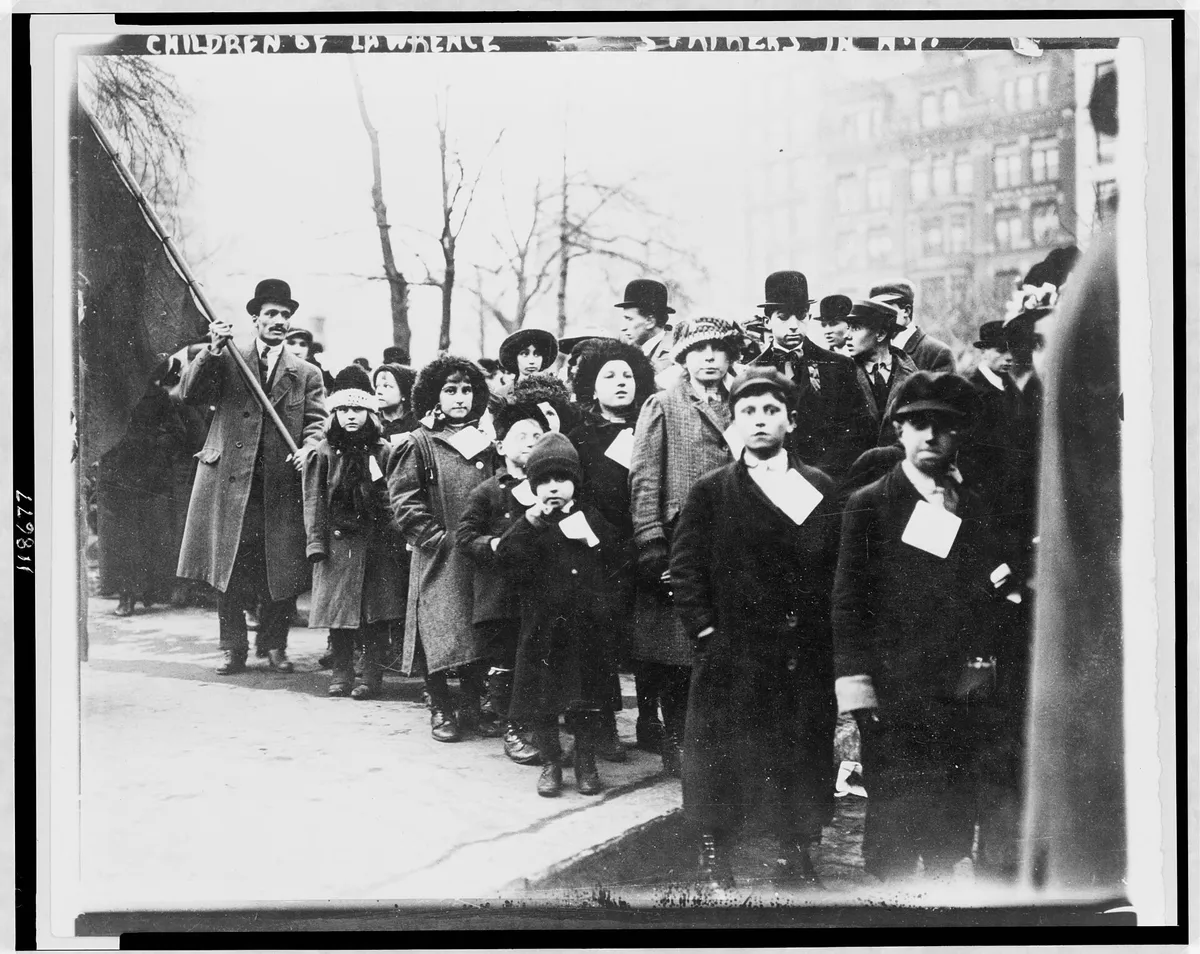
Photo: Children of Lawrence strikers in New York, 1912. Library of Congress, public domain.
In March 1912, with the Bread and Roses strike in its third month, Congress called Lawrence mill workers to Washington to explain what was really happening in the city. Several spoke. Josephine Lis told the committee she had been charged for a dipper of water at work. Victoria Winiarczyk described being shortchanged on her weekly pay. But the testimony people remembered came from a soft-spoken girl named Carmela Teoli.
Carmela was born in Rocca d'Evandro, Italy, on July 2, 1897, and grew up in Lawrence. When she was 13, a man came to her father's house and offered to fix her papers so she could pass for 14, the legal working age, for four dollars. She went into the mills. Within weeks, a cotton-twisting machine caught her hair and tore away part of her scalp. She spent months in the hospital. The company paid her medical bills but gave her no pay while she healed.
She came home in January 1912, just as the strike began, and joined it because, as she later put it, she wasn't getting enough to eat. Sitting before the committee at 14 years and eight months old, she answered simple questions plainly, and that plainness hit harder than any speech. First Lady Helen Taft was in the room. Afterward, the Tafts invited the Lawrence children to the White House, and her story ran in newspapers across the country.
The strike ended that same month with raises for Lawrence's workers, and mill workers across New England soon saw raises too. Then Carmela went home and lived a quiet life. For decades, almost nobody connected the woman in Lawrence to the girl in the headlines. It took a reporter knocking on doors in 1976 to bring her story back.
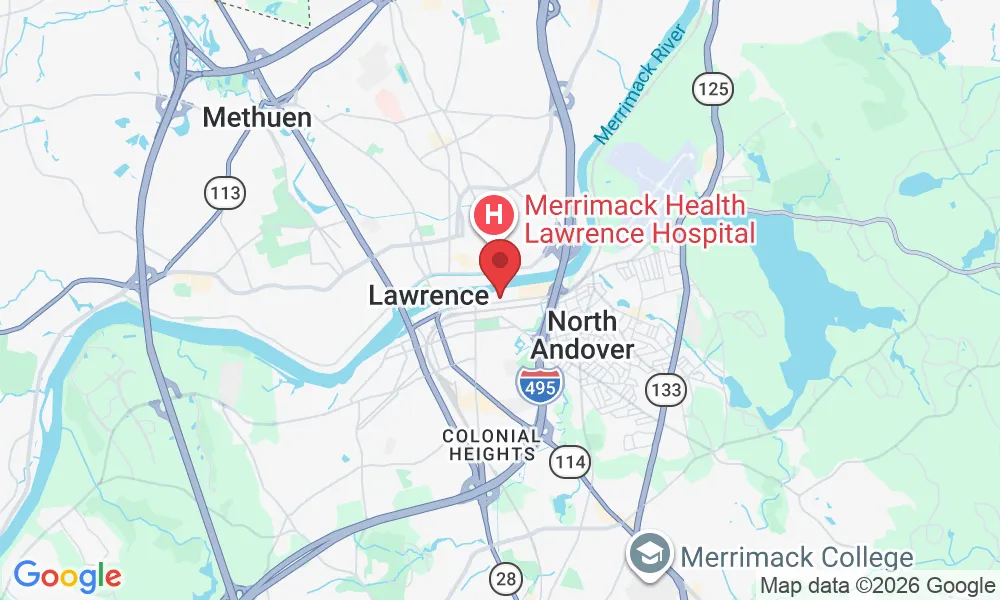
Today, Camella Teoli Way in downtown Lawrence carries her name.
Walk the streets where it happened. Read the full story of Riverwalk · Book a tour